

-
Table of Contents
«Alivia tus síntomas con Cabergolina: la solución para la sensibilidad en las articulaciones.»
Introduction
Cabergolina es un medicamento que se utiliza para tratar trastornos hormonales, como la hiperprolactinemia. Sin embargo, algunos pacientes pueden experimentar sensibilidad en las articulaciones como efecto secundario. En este artículo, exploraremos más a fondo si la cabergolina puede causar sensibilidad en las articulaciones y cómo manejar este posible efecto secundario.
Understanding the Link Between Cabergoline and Joint Sensitivity
Cabergoline is a medication commonly used to treat conditions such as hyperprolactinemia, a condition where the body produces too much of the hormone prolactin. It is also used to treat disorders related to high levels of prolactin, such as pituitary tumors and Parkinson’s disease. While cabergoline is generally well-tolerated by most patients, there have been reports of joint sensitivity as a side effect. In this article, we will explore the link between cabergoline and joint sensitivity, and what patients should know about this potential side effect.
Firstly, it is important to understand what joint sensitivity is and how it can manifest in patients. Joint sensitivity, also known as joint pain or arthralgia, is a condition where a person experiences pain, stiffness, or discomfort in one or more joints in the body. This can range from mild discomfort to severe pain, and can affect daily activities and quality of life. Joint sensitivity can be caused by a variety of factors, including injury, inflammation, and certain medications.
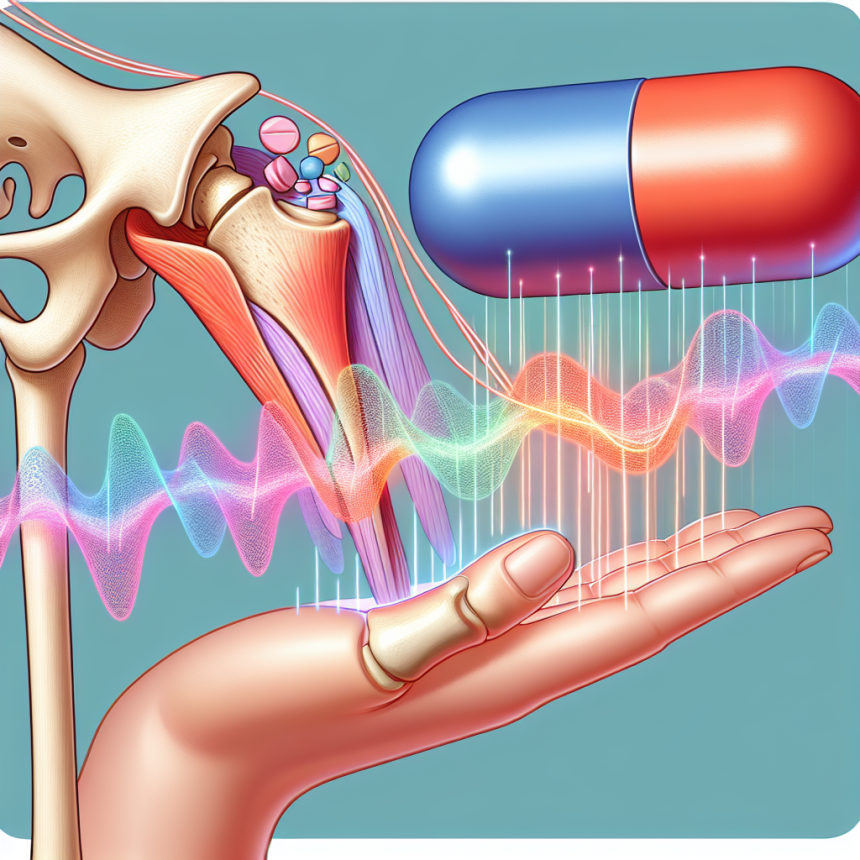
So, how does cabergoline potentially cause joint sensitivity? The exact mechanism is not fully understood, but it is believed that cabergoline may affect the levels of certain hormones in the body, such as dopamine and prolactin, which can in turn impact joint health. Additionally, cabergoline has been shown to have an effect on the immune system, which may also contribute to joint sensitivity.
It is important to note that not all patients who take cabergoline will experience joint sensitivity. In fact, it is estimated that only a small percentage of patients may experience this side effect. However, it is still important for patients to be aware of this potential risk and to discuss it with their healthcare provider.
If a patient does experience joint sensitivity while taking cabergoline, it is important to seek medical advice. Your healthcare provider may recommend adjusting the dosage of the medication or switching to a different treatment option. In some cases, joint sensitivity may resolve on its own once the medication is discontinued. It is important to never stop taking cabergoline without consulting your healthcare provider first.
In addition to seeking medical advice, there are also some steps that patients can take to manage joint sensitivity while taking cabergoline. These include maintaining a healthy weight, engaging in low-impact exercises, and using heat or ice therapy to alleviate pain and stiffness. It is also important to avoid activities that put excessive strain on the joints, such as high-impact sports or heavy lifting.
Furthermore, patients should also be aware of potential drug interactions with cabergoline that may increase the risk of joint sensitivity. For example, combining cabergoline with certain antidepressants or blood pressure medications may increase the likelihood of experiencing joint pain. It is important to inform your healthcare provider of all medications you are taking, including over-the-counter medications and supplements, to avoid potential interactions.
In conclusion, while cabergoline is an effective medication for treating various conditions, it is important for patients to be aware of potential side effects, such as joint sensitivity. While not all patients will experience this side effect, it is important to seek medical advice if it does occur. By understanding the link between cabergoline and joint sensitivity, patients can work with their healthcare provider to manage this potential side effect and continue to receive the benefits of this medication.
Managing Joint Sensitivity Caused by Cabergoline: Tips and Strategies
Cabergoline is a medication commonly used to treat conditions such as hyperprolactinemia, a condition where the body produces too much of the hormone prolactin. It is also used to treat disorders related to high levels of prolactin, such as irregular menstrual periods, infertility, and breast milk production in men and women. While cabergoline is generally well-tolerated, some individuals may experience joint sensitivity as a side effect of this medication.
Joint sensitivity, also known as joint pain or arthralgia, is a common side effect of many medications, including cabergoline. It is characterized by pain, stiffness, and discomfort in the joints, which can significantly impact an individual’s daily activities and quality of life. In this article, we will discuss the potential link between cabergoline and joint sensitivity, as well as tips and strategies for managing this side effect.
The exact mechanism by which cabergoline causes joint sensitivity is not fully understood. However, it is believed that the medication may affect the levels of certain hormones and neurotransmitters in the body, which can lead to inflammation and pain in the joints. Additionally, cabergoline may also cause changes in the levels of calcium and vitamin D, which are essential for maintaining healthy bones and joints.
If you are experiencing joint sensitivity while taking cabergoline, it is essential to consult with your healthcare provider. They may recommend adjusting the dosage or switching to a different medication to alleviate this side effect. However, if cabergoline is the only effective treatment for your condition, there are several tips and strategies that can help manage joint sensitivity.
Firstly, maintaining a healthy and balanced diet can play a significant role in managing joint sensitivity caused by cabergoline. Foods rich in calcium and vitamin D, such as dairy products, leafy greens, and fatty fish, can help strengthen bones and joints. Additionally, incorporating anti-inflammatory foods, such as fruits, vegetables, and whole grains, can help reduce inflammation and pain in the joints.
Regular exercise is also crucial for managing joint sensitivity. While it may seem counterintuitive to exercise when experiencing joint pain, physical activity can actually help improve joint mobility and reduce stiffness. Low-impact exercises, such as swimming, cycling, and yoga, can be particularly beneficial for individuals with joint sensitivity. It is essential to consult with your healthcare provider before starting any exercise routine, as they can provide guidance on the most suitable activities for your condition.
In addition to diet and exercise, there are also several lifestyle changes that can help manage joint sensitivity caused by cabergoline. Maintaining a healthy weight can reduce the strain on your joints and alleviate pain. If you are overweight, your healthcare provider may recommend a weight loss plan to help manage joint sensitivity. Additionally, avoiding repetitive movements and taking breaks during activities that put stress on your joints can also help reduce pain and discomfort.
If you are experiencing severe joint sensitivity, your healthcare provider may recommend over-the-counter pain relievers, such as ibuprofen or acetaminophen. However, it is essential to consult with your healthcare provider before taking any medication, as they can advise on the appropriate dosage and potential interactions with cabergoline.
In some cases, your healthcare provider may also recommend physical therapy to help manage joint sensitivity. A physical therapist can provide exercises and techniques to improve joint mobility and reduce pain. They may also use modalities such as heat or ice therapy to alleviate discomfort.
In conclusion, while cabergoline can cause joint sensitivity as a side effect, there are several tips and strategies that can help manage this issue. Maintaining a healthy diet, regular exercise, and lifestyle changes can all play a significant role in reducing joint pain and discomfort. It is essential to consult with your healthcare provider for personalized recommendations and to monitor any changes in your symptoms. With proper management, joint sensitivity caused by cabergoline can be effectively managed, allowing individuals to continue their treatment with minimal discomfort.
Exploring Alternative Treatment Options for Cabergoline-Induced Joint Sensitivity
Cabergoline is a medication commonly used to treat conditions such as hyperprolactinemia, a condition where the body produces too much of the hormone prolactin. It is also used to treat disorders related to high levels of prolactin, such as infertility and irregular menstrual cycles. While cabergoline is generally well-tolerated by most patients, some may experience joint sensitivity as a side effect. This can be a frustrating and uncomfortable experience, but there are alternative treatment options available for those who are affected.
Joint sensitivity, also known as arthralgia, is a condition where the joints become painful, tender, and inflamed. It can affect any joint in the body, including the knees, hips, shoulders, and hands. The exact cause of joint sensitivity in patients taking cabergoline is not fully understood, but it is believed to be related to the medication’s effect on dopamine levels in the body. Dopamine is a neurotransmitter that plays a role in pain perception, and changes in its levels can lead to joint sensitivity.
If you are experiencing joint sensitivity while taking cabergoline, it is important to speak with your doctor. They may recommend alternative treatment options to help alleviate your symptoms. One option is to switch to a different medication. Bromocriptine is another medication commonly used to treat hyperprolactinemia and related conditions. It works in a similar way to cabergoline but may have a lower risk of causing joint sensitivity. Your doctor may also suggest adjusting the dosage of cabergoline or adding other medications to help manage your symptoms.
In addition to medication changes, there are also alternative treatment options that can help with joint sensitivity. Physical therapy can be beneficial in reducing pain and improving joint mobility. A physical therapist can work with you to develop an exercise plan that targets the affected joints and helps to strengthen the surrounding muscles. They may also use techniques such as massage and heat therapy to provide relief.
Acupuncture is another alternative treatment that has shown promise in managing joint sensitivity. This traditional Chinese medicine practice involves inserting thin needles into specific points on the body to stimulate the body’s natural healing processes. While more research is needed, some studies have shown that acupuncture can be effective in reducing joint pain and improving joint function.
In addition to these alternative treatments, lifestyle changes can also help manage joint sensitivity. Maintaining a healthy weight can reduce the strain on your joints and alleviate pain. Eating a balanced diet rich in anti-inflammatory foods, such as fruits, vegetables, and omega-3 fatty acids, can also help reduce joint inflammation. Avoiding activities that put excessive strain on your joints, such as high-impact exercises, can also help manage symptoms.
It is important to note that while alternative treatments may provide relief, they should not be used as a replacement for medical advice. It is essential to consult with your doctor before making any changes to your treatment plan. They can help you determine the best course of action based on your individual needs and medical history.
In conclusion, joint sensitivity is a potential side effect of cabergoline, a medication commonly used to treat conditions related to high levels of prolactin. If you are experiencing joint sensitivity while taking cabergoline, it is important to speak with your doctor. They may recommend alternative treatment options, such as switching to a different medication, physical therapy, or acupuncture. Lifestyle changes, such as maintaining a healthy weight and avoiding high-impact activities, can also help manage symptoms. It is essential to work closely with your doctor to find the best treatment plan for you and alleviate any discomfort caused by joint sensitivity.
Q&A
1. ¿La cabergolina puede causar sensibilidad en las articulaciones?
No, la cabergolina no se ha relacionado con la sensibilidad en las articulaciones como efecto secundario común. Sin embargo, como con cualquier medicamento, es posible que algunas personas experimenten sensibilidad en las articulaciones como reacción individual.
2. ¿Qué efectos secundarios puede causar la cabergolina?
Los efectos secundarios comunes de la cabergolina incluyen náuseas, mareos, dolor de cabeza, fatiga y estreñimiento. En casos raros, puede causar efectos secundarios más graves como problemas cardíacos, alucinaciones y cambios en la presión arterial.
3. ¿Cómo puedo reducir la sensibilidad en las articulaciones mientras tomo cabergolina?
Si experimenta sensibilidad en las articulaciones mientras toma cabergolina, es importante hablar con su médico. Pueden recomendar ajustar la dosis o cambiar a un medicamento diferente. También puede ayudar tomar la cabergolina con alimentos y mantenerse bien hidratado para reducir los efectos secundarios.